Ermi Testing in Dallas, TX
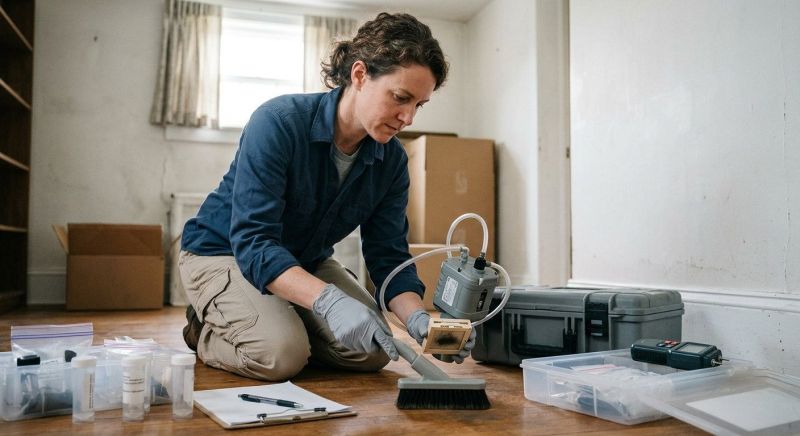
ERMI testing services provide homeowners with a detailed analysis of mold and allergen levels within indoor environments. This testing involves collecting samples from various surfaces or air to measure the presence of mold spores and related materials. It is commonly requested for projects such as post-mold remediation verification, assessing indoor air quality, or investigating persistent allergy symptoms. Property owners often want to understand the extent of mold growth, identify hidden sources, or determine if a property is safe for occupancy after water damage or renovation work.
Before requesting ERMI testing, property owners typically seek clarity on what the results can reveal and how they might influence further actions. They may want to know whether mold levels are within safe ranges or if additional cleanup is necessary. Understanding the specific areas to test, the types of mold detected, and how the results relate to health concerns are common considerations. This information can help homeowners make informed decisions about remediation needs or improvements to indoor air quality.
Many property owners in Dallas, TX look into ERMI Testing for repairs, replacements, upgrades, and appearance-related improvements.
Understanding Ermi Testing
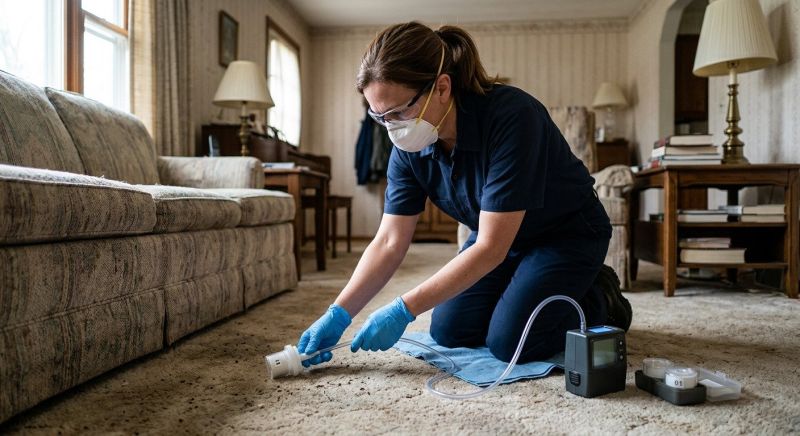
Ermi testing helps identify mold issues in residential and commercial properties in dallas, tx.
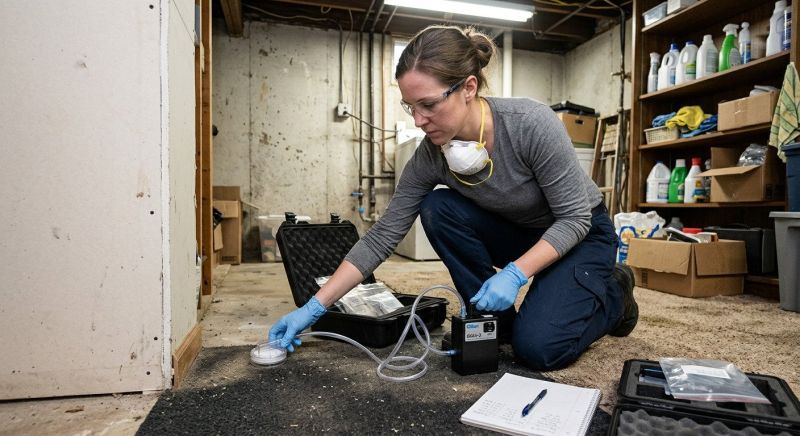
Detecting Hidden Mold Risks
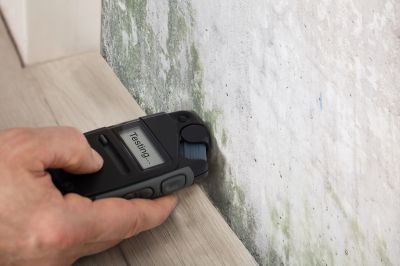
This service reveals mold presence behind walls, under floors, and in hard-to-reach areas.
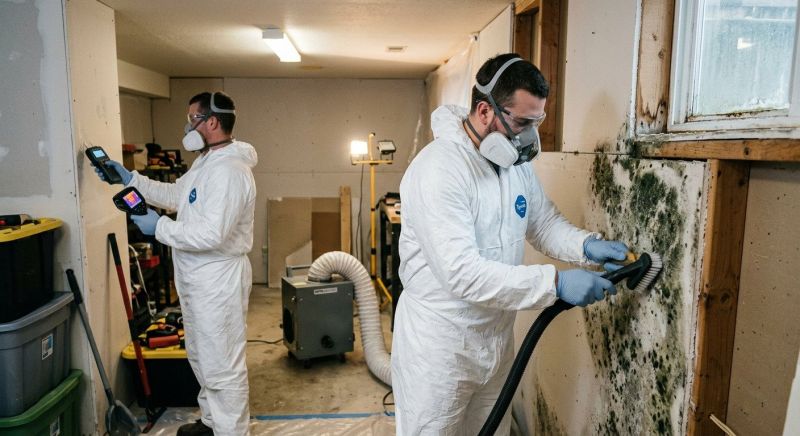
Ensuring Indoor Air Quality
Ermi testing supports maintaining a safe and healthy environment for families and employees.
Ermi Testing in Dallas, TX

ERMI testing services provide homeowners with a detailed analysis of mold and allergen levels within indoor environments. This testing involves collecting samples from various surfaces or air to measure the presence of mold spores and related materials. It is commonly requested for projects such as post-mold remediation verification, assessing indoor air quality, or investigating persistent allergy symptoms. Property owners often want to understand the extent of mold growth, identify hidden sources, or determine if a property is safe for occupancy after water damage or renovation work.
Before requesting ERMI testing, property owners typically seek clarity on what the results can reveal and how they might influence further actions. They may want to know whether mold levels are within safe ranges or if additional cleanup is necessary. Understanding the specific areas to test, the types of mold detected, and how the results relate to health concerns are common considerations. This information can help homeowners make informed decisions about remediation needs or improvements to indoor air quality.
Many property owners in Dallas, TX look into ERMI Testing for repairs, replacements, upgrades, and appearance-related improvements.
Common Ermi Testing Jobs
ERMI Testing - Assesses the level of mold contamination in indoor environments.
Home inspections - Identifies hidden mold sources that may impact indoor air quality.
Air quality assessments - Measures mold spores and helps determine if remediation is needed.
Post-remediation testing - Confirms mold removal efforts have been effective.
Water damage investigations - Detects mold growth caused by leaks or flooding.
Mold risk evaluations - Provides property owners with insights on mold presence and potential health concerns.
Ermi Testing Questions
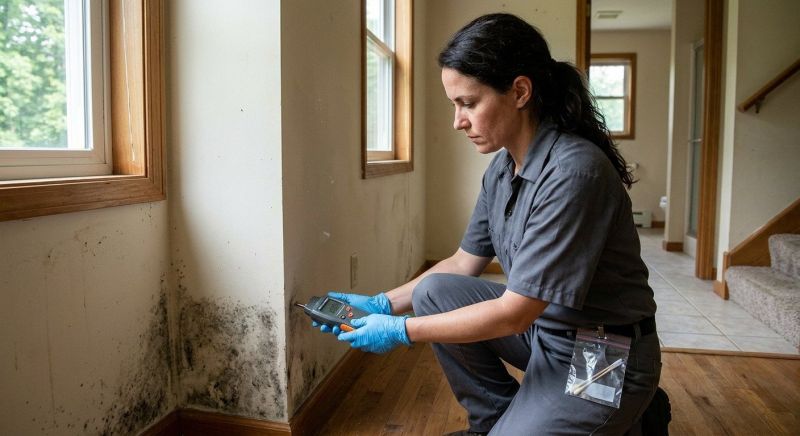
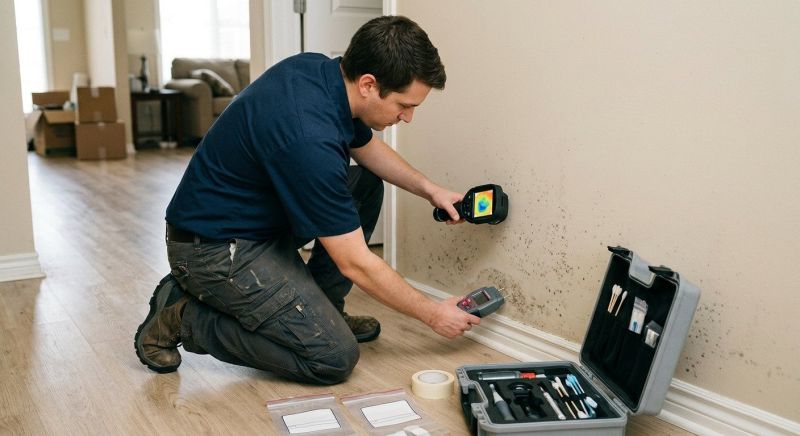
What is ERMI testing? ERMI testing measures mold DNA levels in indoor environments to identify potential mold issues.
Why should property owners consider ERMI testing? It helps detect hidden mold problems that may affect indoor air quality and health.
What types of properties benefit from ERMI testing? Residential homes, rental properties, and commercial buildings can all benefit from mold assessment.
How is ERMI testing conducted? Samples are collected from indoor surfaces or dust and analyzed in a laboratory for mold DNA.
Request Ermi Testing in Dallas, TX
Use the quote form on this page to share the basics of your project and request more information for the type of work you need.